
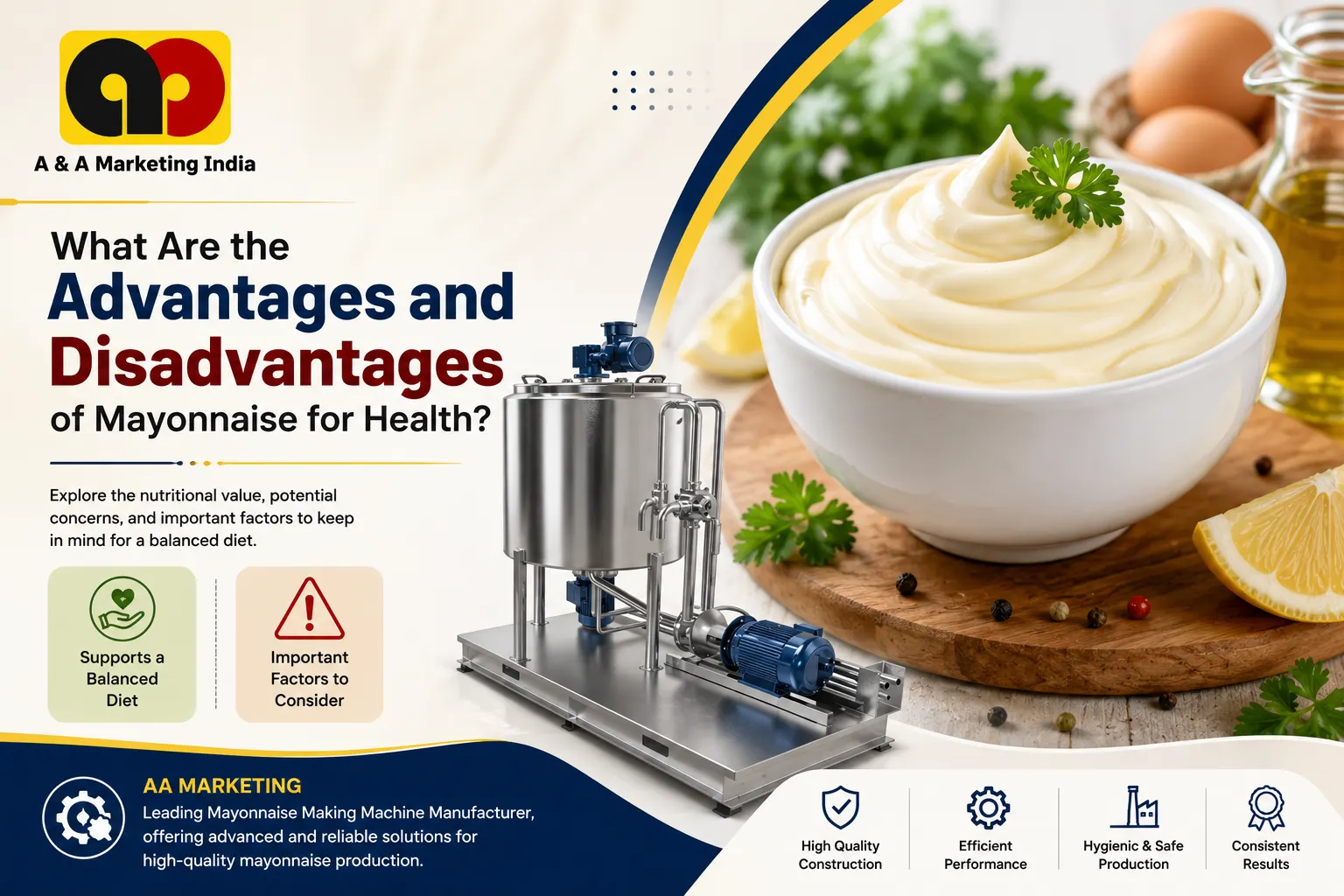
Mayonnaise has a creamy texture and rich flavor condiments, which is popular worldwide. It is commonly added to sandwiches, burgers, wraps, salads, and dips. Made primarily from oil, egg yolks, and an acidic ingredient such as vinegar or lemon juice, mayonnaise can enhance the taste of many dishes. However, like any food product, it has both benefits and drawbacks when it comes to health
Understanding the nutritional value of everyday food products helps consumers make informed dietary choices. This article explores the advantages and disadvantages of mayonnaise for health.
What Is Mayonnaise?
Mayonnaise is an emulsion of oil, egg yolk, and acid. Commercial mayonnaise may also contain seasonings, preservatives, and stabilizers to improve taste and shelf life. Depending on the ingredients used, the nutritional content can vary significantly between brands.
Is Mayonnaise Good for Health? Benefits of Mayonnaise
Mayonnaise can be a healthy addition to your diet when consumed in moderation. Made from ingredients such as vegetable oil, egg yolks, and vinegar or lemon juice, mayonnaise contains healthy fats and essential nutrients that support various bodily functions. While it is often considered a high-calorie condiment, its nutritional benefits make it suitable for balanced diets when used responsibly.
1. Source of Healthy Fats
Traditional mayonnaise is made with vegetable oils that contain unsaturated fats. These fats can help support heart health when consumed in moderation and as part of a balanced diet.
2. Helps Absorb Essential Vitamins
Dietary fats are necessary for the absorption of fat-soluble vitamins such as Vitamins A, D, E, and K. Adding a small amount of mayonnaise to vegetables can improve the body’s ability to absorb these nutrients.
3. Low in Carbohydrates
Mayonnaise contains very few carbohydrates, making it a suitable option for people following low-carb or ketogenic diets.
4. Enhances Food Flavor
One of the biggest benefits of mayonnaise is its ability to improve the taste and texture of foods. This can encourage the consumption of vegetables and other nutritious ingredients.
5. Contains Nutrients from Eggs
Egg yolks used in mayonnaise provide small amounts of nutrients such as Vitamin E, Vitamin K, and choline, which support various bodily functions.
6. Supports a Balanced Diet
When used in moderation, mayonnaise can complement vegetables, lean proteins, and whole-grain foods, making meals more enjoyable and satisfying.
Disadvantages of Mayonnaise
1. High in Calories
Mayonnaise is a calorie-dense food, with a single tablespoon containing a significant number of calories. Regularly consuming large amounts may contribute to weight gain and make it difficult to maintain a healthy calorie balance.
2. High Fat Content
Although mayonnaise contains beneficial unsaturated fats, excessive intake can increase total daily fat consumption. Overeating high-fat foods may negatively impact overall dietary balance.
3. May Contain Added Sodium
Many commercial mayonnaise products contain added salt to enhance flavor and preserve freshness. High sodium intake may contribute to increased blood pressure and other health concerns in sensitive individuals.
4. Risk of Weight Gain
Because of its rich texture and taste, mayonnaise is often consumed in larger quantities than recommended. This can lead to excessive calorie intake and gradual weight gain over time.
5. Not Suitable for Everyone
Traditional mayonnaise contains eggs, making it unsuitable for people with egg allergies. Some varieties may also contain preservatives or additives that certain individuals prefer to avoid.
6. Can Increase Unhealthy Eating Habits
Mayonnaise is commonly paired with fast foods, burgers, fries, and processed snacks. Frequent consumption of such foods along with mayonnaise may reduce the overall nutritional quality of the diet.
Tips for Healthy Consumption
- Use mayonnaise in moderation.
- Check nutrition labels before purchasing.
- Choose products made with healthier oils.
- Consider low-fat or reduced-calorie versions if appropriate.
- Pair mayonnaise with nutrient-rich foods such as vegetables and lean proteins.
Is Mayonnaise Healthy?
The answer depends on the quantity consumed and the type of mayonnaise chosen. In moderate amounts, mayonnaise can be part of a healthy diet and may even help with nutrient absorption. However, excessive consumption can increase calorie and fat intake, potentially affecting weight management and overall health.
Conclusion
Mayonnaise offers several health benefits, including healthy fats, improved vitamin absorption, and enhanced food flavor. However, it should be consumed in moderation due to its high calorie and fat content. By maintaining portion control and choosing quality products, mayonnaise can be enjoyed as part of a balanced diet.
For food manufacturers seeking reliable mayonnaise production solutions, AA Marketing is a trusted Mayonnaise Making Machine Manufacturer, offering advanced, efficient, and high-performance equipment designed to ensure consistent product quality and large-scale production efficiency.