
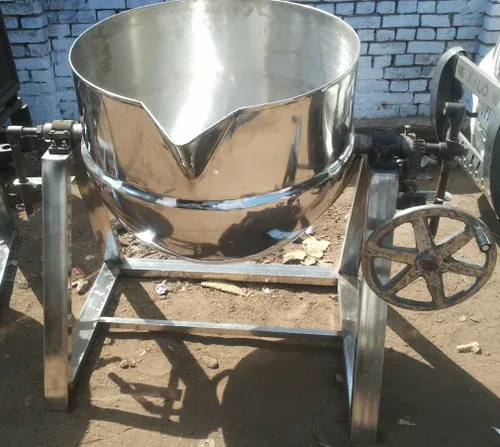
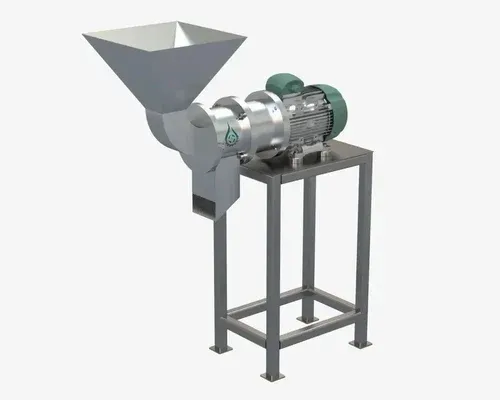
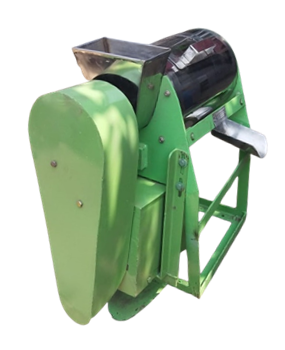
Pulp Processing Machine is an advanced industrial machine designed to extract, refine, and process pulp from fruits and vegetables for use in juice production, food processing, and beverage manufacturing industries. AA Marketing is one of the leading Pulping Machine manufacturers, offering highly efficient and precision-engineered solutions for fruit and vegetable processing industries.
Fruit Pulping Machine
Pulp Processing Machine efficiently separates seeds, fibers, and unwanted particles while maintaining the natural texture, flavor, and nutritional value of the pulp. Built with food-grade stainless steel and hygienic construction standards, these machines ensure durability, easy maintenance, and reliable performance. We focuses on innovation, quality manufacturing, and customer satisfaction, making their pulping machines ideal for small, medium, and large-scale processing applications.
We provide a broad range of Pulp Making Machine including Mango Pulping Machine, Fruit Pulping Machine, Mango Juice processing Machine, apple pulping machine. These type of pulp machine is used for different fruit type like mango, tomato, guava, papaya, pineapple and other fruits to extract smooth pulp for juice, puree and beverage production and maintain proper freshness, natural taste and hygiene standards during processing.
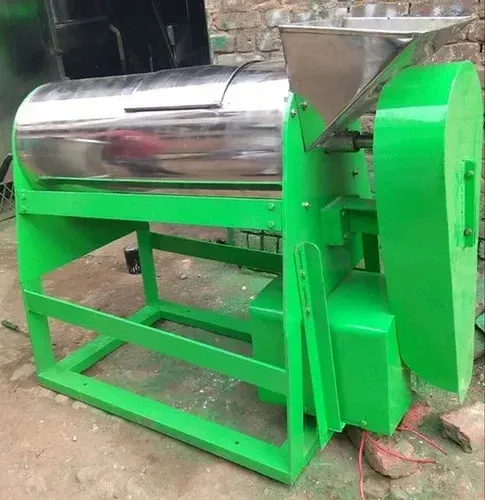
Pulping Machine: Specifications
- Material Construction: Food-grade Stainless Steel (SS 304 / SS 316)
- Capacity: 100 kg/hr to 2000 kg/hr (as per model)
- Power Requirement: 1 HP to 10 HP motor (depending on capacity)
- Voltage: 220V / 380V / 415V, 3 Phase
- Operation Type: Semi-automatic / Automatic
- Mesh Size: Interchangeable sieve for different pulp consistency
- Application: Mango, tomato, guava, papaya, pineapple and other fruits
- Design: Compact structure with easy cleaning and maintenance
- Hygiene Standard: Corrosion-resistant, food-grade finishing
- Output: Smooth and uniform pulp with minimal wastage
| Pulp Processing Machine | Function |
|---|---|
| Pulper | Separates pulp fibers from raw materials such as wood chips or agricultural waste through grinding and shredding. |
| Refiner | Refines the pulp fibers to improve their strength and quality. |
| Bleaching equipment | Removes impurities from the pulp and improves its color and brightness. |
| Paper machine | Forms the refined pulp into sheets or rolls for use in paper products such as tissue, cardboard, or printing paper. |
| Beater | Used to refine pulp fibers, often for use in the production of high-quality paper or art paper. |
| Screw press | Used to remove excess water from the pulp after it has been formed into sheets or rolls. |
| Digester | Used to break down raw materials such as wood chips into pulp fibers using chemicals or heat. |
| Fourdrinier machine | A type of paper machine that uses a continuous wire mesh to form the pulp into sheets. |
| Twin-wire press | Similar to a screw press, but uses two wires to squeeze out excess water from the pulp. |
| Calender | Used to smooth and compress paper or other materials made from pulp, improving their surface finish and strength. |
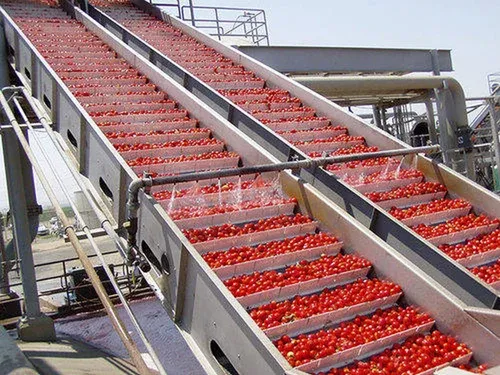
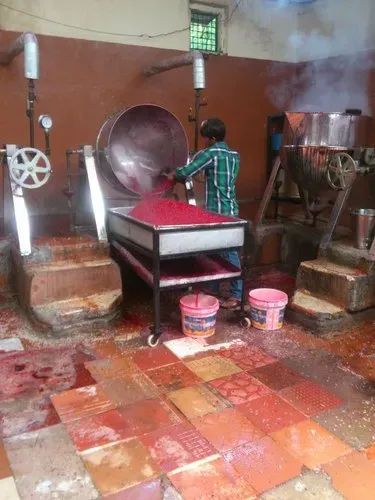
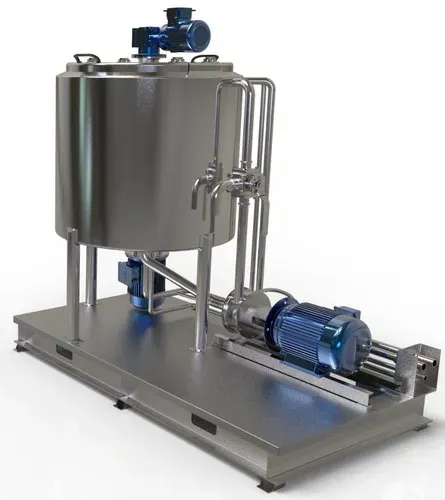
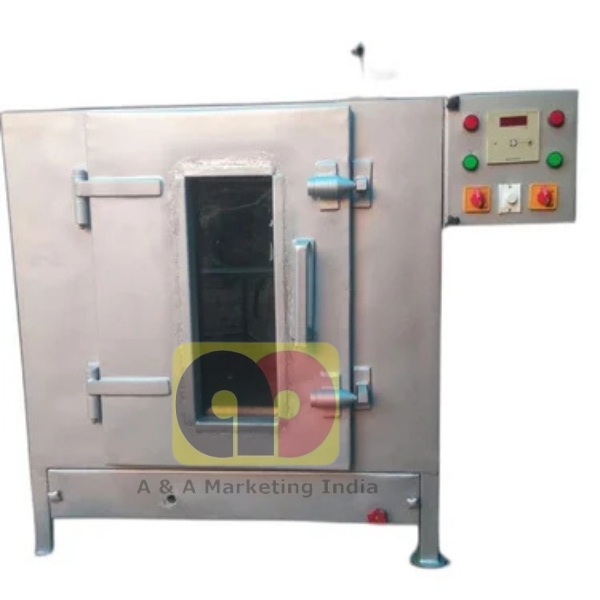
As a well-known manufacturer, AA Marketing is strongly focused on quality, precision engineering, and reliable performance in every machine we deliver. We use high-grade materials and advanced manufacturing techniques to ensure durability, efficiency, and long service life. Our commitment to strict quality standards, hygiene standard and customer satisfaction makes us a trusted choice in the food processing machinery industry.
If you are interested in buying a Fruit Pulping Machine or Fruit Pulper, remember the name AA Marketing. Known for quality manufacturing, efficient performance, and durable construction, we offer reliable pulp processing solutions designed to meet modern food industry requirements.
FAQs
What materials can be processed using a pulp processing machine?
Machines can handle a variety of materials, including fruits, vegetables, and waste paper, depending on the industry.Are pulp processing machines customizable?
Yes, many manufacturers offer customizable options to suit specific industry needs and production scales.How much does a pulp processing machine cost?
The cost varies depending on capacity, features, and the level of automation. It’s advisable to consult with suppliers for accurate pricing.Is maintenance of a pulp processing machine complicated?
Regular cleaning and timely servicing are usually enough to keep the machine running smoothly. Some machines also offer automated cleaning systems.What industries benefit most from pulp processing machines?
The food and beverage, paper, and cosmetic industries are the primary sectors that utilize pulp processing machinery.